
 Log in
Home ownership has long been viewed as a rite of passage, an indication of financial maturation — you finish school, land a good job, get married, buy a house, start a family, and “Ta-da!” you’re a successful grown up. Unfortunately, that’s not quite how it works. The journey to financial independence, like other roads to personal fulfilment, is not one-size fits all. The right choice for you depends on your circumstances and goals.
Introduction
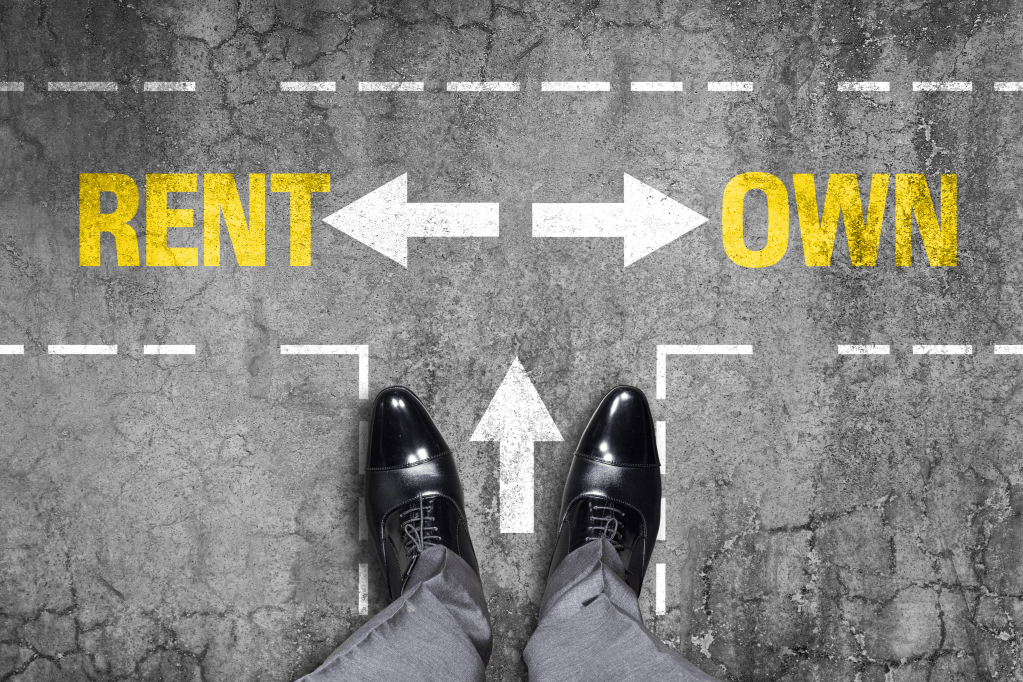
With that in mind, this week we’re talking about factors to consider when deciding whether to rent or buy a home. The first question you want to ask yourself is: are you ready to put down roots or are you more of a rolling stone? Some people put down roots fairly early in life, they know where they want to work, where they want to live, what kind of lifestyle they want to have. Others pursue a more flexible path, they know what’s important to them today, but that could change tomorrow. They’re as likely to migrate to Negril, as to Trinidad or Bali.
They’re going into catering one moment, and film-making the next. No judgement. No two life paths are the same. One person’s stability, may be another’s boredom. If you’re not sure where you’ll be, or what you’ll be doing in five years, a long-term commitment like a mortgage is probably not the right choice for you.
There’s nothing like the pride of coming home to the garden you painstakingly planted and nurtured over years, or watching your children play in the treehouse you designed and had built to your exact specifications.
Even if you’re buying property to rent, being a landlord comes with a great deal of responsibility, not to mention the costs associated with maintenance. If there are any structural issues, such as plumbing or electrical problems, that’s entirely on you. Failure to identify and attend to issues in a timely manner — whether you, or a tenant are living on the property — will only erode your investment.
There is also property tax to think about each year. So, it’s not just about settling in one place physically, it’s also about settling into a career, and projecting your earning potential. Buying a home is a big responsibility with a lot of factors to weigh, so think carefully about whether you’re ready to commit, and what that will mean for your lifestyle.
If you’re not too sure, stick with renting. On the other hand, though renting offers the freedom to be footloose and fancy free, home ownership, once you can afford it, offers a different kind of freedom. That is, freedom from the rules and preferences of a landlord. As the owner of a property, you can decorate and renovate as you see fit. There’s nothing like the pride of coming home to the garden you painstakingly planted and nurtured over years, or watching your children play in the treehouse you designed and had built to your exact specifications.
That custom built walk-in closet you’ve always dreamed of, with flattering lighting and a 360 degree mirror, it can be yours forever in your own home. As a homeowner, you also don’t have to worry about being forced to move on someone else’s schedule. Where a landlord can raise the rent beyond your budget, or sell an apartment from under you, with your own property you make the decisions. There’s no lease agreement with a long list of ‘dos’ and ‘don’ts’, or a nosy landlord stopping by too often, or asking too many questions. For many people that kind of control and privacy is worth the commitment.
Conclusion
Finally, homeownership entails many costs— first the down payment and closing fees, then the monthly mortgage payments, the maintenance costs and property taxes — but with every cent you invest in your home you’ll be building equity.
Home equity is the portion of a home’s current value that the owner actually possesses free and clear. In other words, it’s the value of your home less the amount you owe on your mortgage. That’s why a larger down payment means more equity. It’s also why with every mortgage payment your equity increases.
That equity can be used as collateral for a loan later. Also, if the value of your property increases, either through improvements or appreciation, you can make a profit if you decide to sell. Of course, you cannot invest money that you do not have, so crunch the numbers and make sure that you have the resources to begin and persist in the adventure of home ownership.
That way your dream home never becomes a ball and chain, it only grows and evolves with you.